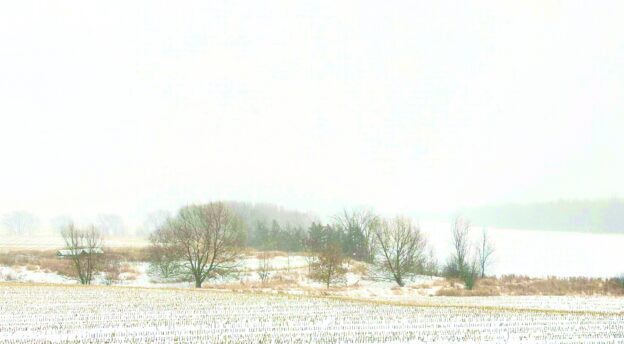
Contrary to intuition, a mist affords clarity. I was first reminded of this exiguous savvy upon casual reading from my library of predominantly ancient or historic origin (being as they are tomes beyond the impudence of copyright and therefore readily available at no cost – also a contradiction, of art and of price).
For as bodies seem greater in a mist, so do little matters in a rage.
Excerpt From
Plutarch, “Plutarch’s Morals”
The day today has been spent doing what attracts and avoiding what does not, a balance as critical as red wine vinegar to a leafy green salad (and similarly pungent). For example, I allowed myself the privilege of flipping through an issue of Country Life magazine; but I declined the usual ambition for a drive along the snow covered country roads. The latter fetish has lately undergone transition because, upon the recent conclusion of my 3-month car wash subscription to Petro-Canada, I have purchased instead a subscription to Esso’s Circle K outlets (one of which is conveniently located within the town limits). Already – and notwithstanding the inclement conditions – I am flirting with the thought of driving about the neighbourhood, having a car wash then returning home – all without anxiety of weather, distance or cleanliness. Indeed it resembles an extravagance to allow this indulgence without accommodation.
My idle rumination – at times focussed upon the bedroom ceiling, at others upon the drawing room portraits – has drawn me into the customary lands of magic and strange logic from which I have at last concluded there is no fully desirable – nor indeed imperative – extrication.
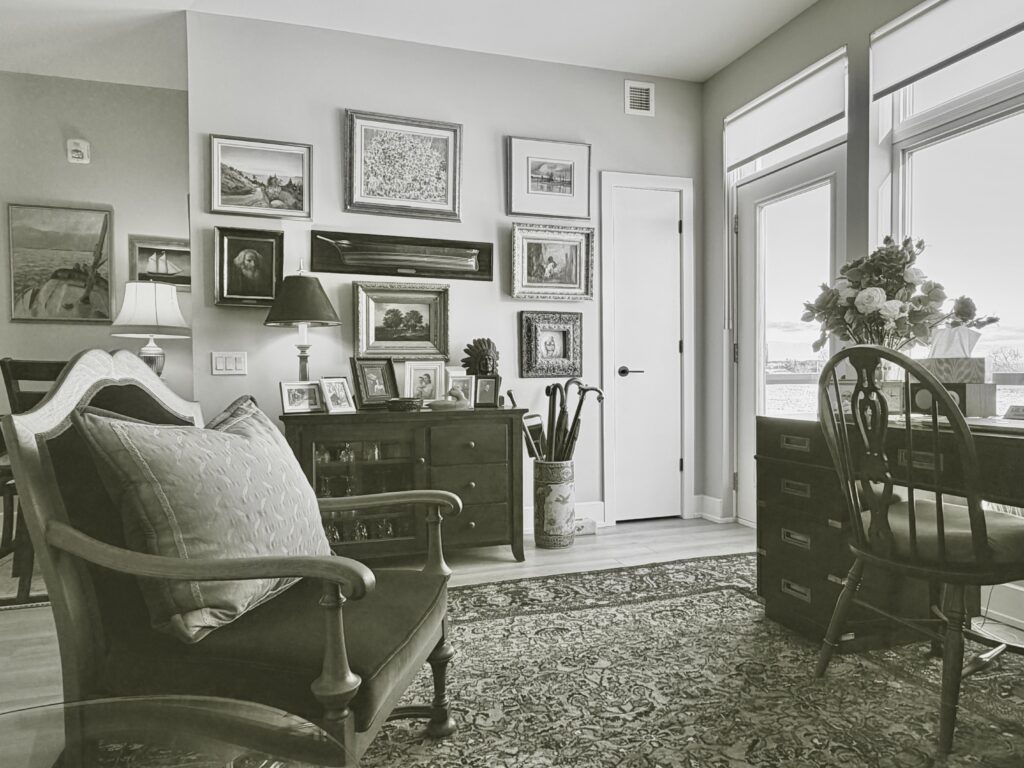
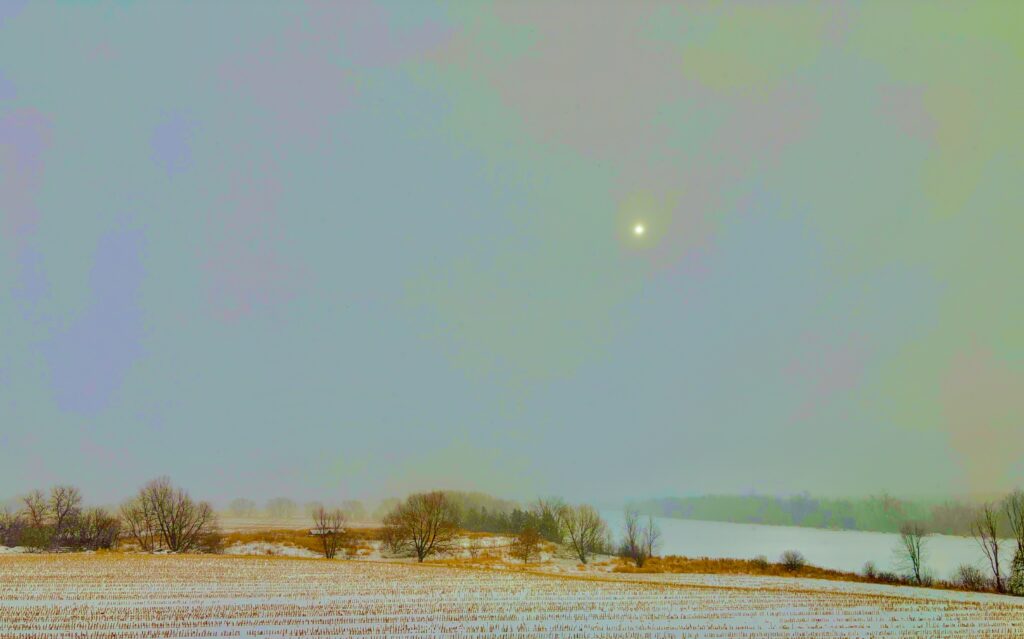
Nonetheless I have theorized there is gratification to be had. With certain difficulty – but inevitable resolve – I have compared this and that, the present and the past, the old and the new, the familiar and the formal. It would, dear Reader, amount to shameful self-absorption to detail the deductive précis. At the very least that I cannot fathom a more agreeable existence than now prevails. In part – so you might playfully conjecture – this is merely an admission of the accepted truth that there is only the present. Yet I do not fully adopt that Caretesian premise in support of my conclusion. I have resided in many places throughout my life, houses big and small, condominiums and apartments, boarding rooms and hotel suites, cottages, trailers and tents. The crispness I derive from these vague reminiscences is – quite obviously – that each was peculiar to an associated time of my life. Some of those times were infancy and childhood, others adolescence and adulthood, and finally old age. Each quite naturally had its singular character which reflected not only the central residence but also the surrounding environment and of course the man involved. It would be an undeniable failure to overlook the import of the man – a theme ironically captivated both by potency and impotency. The faded view now before me is one from which survives and arises an alignment as congruous and oddly perceptible as the weather and the season. The snowfall has increased. The chairs and railings on the balcony are distinguished by sinews of snow. The late afternoon sun is setting; and, an increasing dimness has blanched the day.
But just as people on the sea, timid and prone to sea-sickness, think they will suffer from it less on board a merchantman than on a boat, and for the same reason shift their quarters to a trireme, but do not attain anything by these changes, for they take with them their timidity and qualmishness, so changes of life do not remove the sorrows and troubles of the soul; which proceed from want of experience and reflection, and from inability or ignorance rightly to enjoy the present. These afflict the rich as well as the poor; these trouble the married as well as the unmarried; these make people shun the forum, but find no happiness in retirement; these make people eagerly desire introductions at court, though when got they straightway care no more about them. Such contentedness and change of view in regard to every kind of life does the infusion of reason bring about.
As therefore the shoe is shaped by the foot, and not the foot by the shoe, so does the disposition make the life similar to itself.
…so awkward people frequently take in a clumsy manner the favours of fortune; but men of sense, as bees extract honey from thyme which is the strongest and driest of herbs, so from the least auspicious circumstances frequently derive advantage and profit.
You will be able to live in the country henceforth, and manage your own affairs.
For it is the act of a madman to distress oneself over what is lost, and not to rejoice at what is left; but like little children, if one of their many playthings be taken away by anyone, throw the rest away and weep and cry out, so we, if we are assailed by fortune in some one point, wail and mourn and make all other things seem unprofitable in our eyes.
Idem