Chapter 3
Mr. Chesnick and the hidden portrait
“Yes, I’ll hold”, replied Lavinia King, bolstering on her shoulder the receiver of her ancient landline telephone attached by a coiling cord to its absurd cradle on the oak filing cabinet of her study. While doing so she looked critically at her fingernails on her left hand, ensuring that the manicurist had done his work properly. The nails glistened with lustrous red paint, the perimeters finely polished. Mrs. King turned her fingers about for full examination from every possible perspective. She didn’t approve of compromise. At that same moment she caught a glimpse of herself in the hallway mirror. She turned her head as though preparing for a photograph. Good, she thought to herself. But before she could venture deeper into her personal assessment the response came on the telephone line, “Mrs. King, this is Jeffrey, sorry to have kept you waiting.”
Then ensued a lengthy discussion of the menu to be served by Genero Garcia, reputed the city’s signal caterer preferred by royalty, gentry and hoi polloi alike, from Mayfair to Knightsbridge. Lavinia de Witt King – though by any account an independent woman and one who would gleefully stare down any male chauvinist so foolish to test her nerve – considered domestic issues, even those aligned to matters of business, her sole territory. If her father Brian Gastonguay insisted upon holding his confidential dinner meetings in her London townhouse instead of his country estate she would run the show. And run it well.
“Jeffrey”, she began, ” we’re having another of those small gatherings for which I require your particular attention. Nothing overwhelming this time, just good food, soup plate then tenderloin or salmon, that sort of thing; and something exotic for dessert – but nothing flambé, perhaps with a sorbet in between. And naturally the usual ceremony of Dry Sack, wines and Champagne. When they retire to the drawing room afterwards, be certain to have some blended whiskey on hand in addition to the Porto – one of our guests is hard core so to speak. He avoids fortified alcohol; and prefers the robust distilled stuff to single malt.”
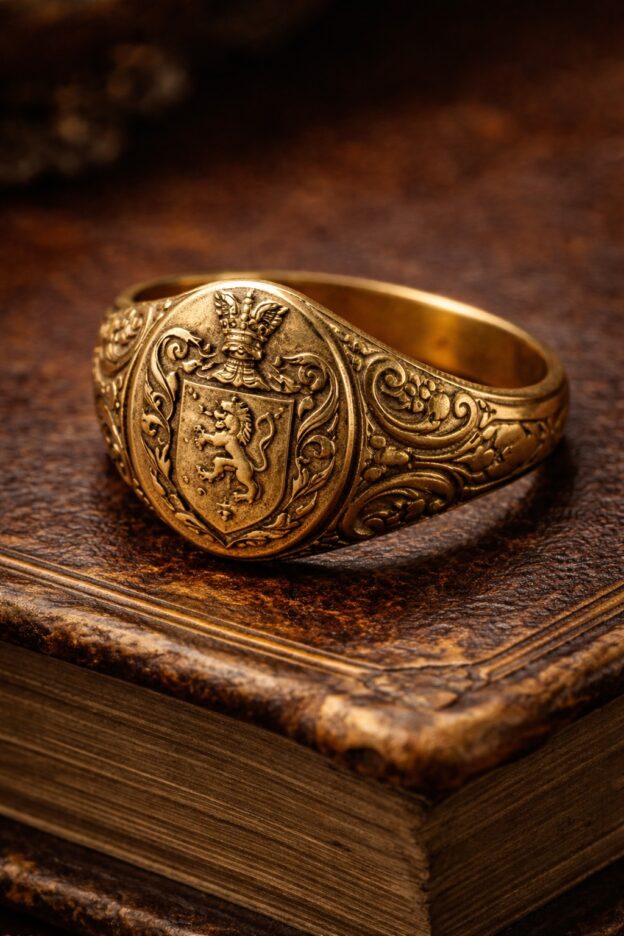
Thus began the bland scenic preparation of what would be an acute discussion of an historic oil painting stolen over 150 years ago from its North African homestead. News of its recovery had streamed through the private channels of artistic investors worldwide, including the nefarious avenues of people such as Walter Chesnick who skilfully – but reservedly – attached himself to several of the most capable resources from Dubai to New York City. Chesnick (in an unrelated real estate fraud – or as Chesnick preferred to call it “an accounting stratagem”) had lately hit upon renowned capitalist Brian Gastonguay as a possible client. What however Chesnick did not know at the time was that Gastonguay – through the exceptional intelligence lately unearthed in the Maldives by his daughter Lavinia – had secured the gold ring antiquity which, if it were authenticated, would connect the ownership of the invaluable portrait to its owner of entitlement. That ownership – over the space of almost two centuries – was now defined by Oxford University pedants as part of the fabric of an entire Asian country, the tiny Republic of Maldives in the eastern Arabia Sea. Lavinia knew as well the governors of the Maldives were not to be underrated or misconstrued. Their anonymity had been nurtured and preserved for a reason and at a price.
If the manoeuvre proved successful, Gastonguay hadn’t yet resolved whether he would divest himself of the trove merely through the courtesy of repayment (with – naturally – modest compensation for the South Pacific anomalies) or whether he might traffic the article abroad for greater reward. What restrained his usual ferocity was the whispering echo of Rahim Shratar, the treacherously quiet ambassador of the mythological clue to the treasure. Something he had said to his daughter, something about which his daughter had hesitated, disturbed him. But for the time being he put it down to jet lag, mere superfluous creativity, an annoying itch.
It was almost an hour before Mrs. King concluded her detailed requisitions to the caterer, having addressed precise timing, the apparel of the servants, and the brands of liquor. For emphasis – though quite unnecessarily for Jeffrey of Genero Garcia – she repeated the etiquette of service (the fulfillment of which she, as a privileged woman, understood would speak an unspoken lineage). Her perfection was addressed more to Rahim, the bearer of the black velvet box in which the ring was stowed, than to others invited to attend. Lavinia perceived the crucial importance of genuineness and heritage, its commonplace definition of breeding. What was now at stake in the recovery of the painting was of national importance to the Maldives and the unseen governors behind its flag. Lavinia intended to proceed cautiously from the outset. She wasn’t about to allow her father’s gusto spoil the game or the target of the plot. Her own ambitions for kingship had overtaken her. She prepared to greet the challenge.