McDonald’s Corners is a blip on the map in Lanark Highlands.
Locally known as “The Hill”, this Scottish-settled community of just under a hundred residents serves as a scenic gateway to Dalhousie Lake. While it used to be a self-sufficient hub with its own blacksmith and general store, the village has pivoted to focus heavily on the arts and local agriculture.
Our expedition this morning was unrehearsed. We simply pointed the hood of the car in one direction and set off. Our aimless pursuit led us up and down through corridors magnificently enhanced by lush greenery.
McDonald’s Corners is a charming, rural community in Tay Valley, Lanark Highlands, Ontario, located about 30 minutes northwest of Perth. It serves as a scenic gateway for outdoor enthusiasts, offering a rich local arts scene, maple syrup production, and proximity to local conservation areas.
Things to Do & See:
Ag Hall Farmers Market: Taking place every Sunday from 10:00 AM to 2:00 PM inside the historic Agricultural Hall (800 10th Concession Dalhousie), this market features local produce, artisan crafts, and an all-day brunch.
MERA (McDonalds Corners/Elphin Recreation & Arts): Housed in a heritage schoolhouse, this vibrant community hub hosts arts programs, crafts, music workshops, and community events.
Wheelers Maple Museum: Located just up the road in McDonald’s Corners, this popular destination offers pancake breakfasts, maple syrup tastings, and a museum detailing the history of maple sugaring.
Purdon Conservation Area: Famous for its native colony of thousands of Showy Lady’s Slipper orchids, featuring boardwalk trails through rich wetland and forest habitats.
Back Forty Artisan Cheese: Located nearby, this award-winning local creamery offers artisanal, raw-milk cheeses.
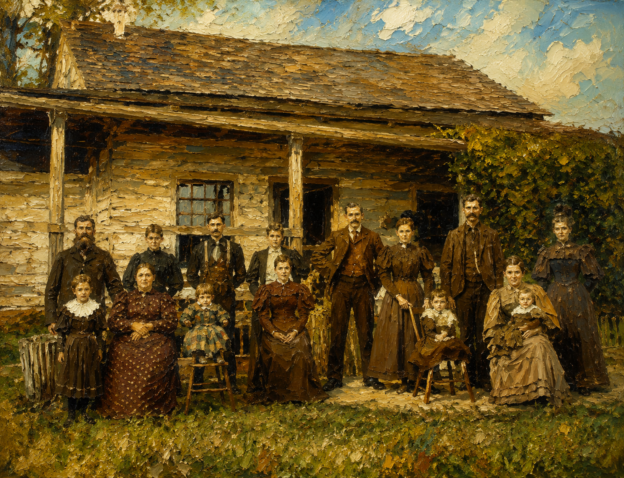
The conservation area is named after local farmer Joe Purdon (whose family is depicted in the Featured Image). In the 1930s, Purdon discovered a small cluster of about a dozen rare Showy Lady’s Slipper orchids on his property. Over the next 50 years, he nurtured, hand-pollinated, and expanded the wetland, cultivating the area into what is now Canada’s largest native colony of these orchids—boasting over 16,000 blooms.
Upon his passing in 1984, the land was entrusted to the Mississippi Valley Conservation Authority to preserve his incredible legacy for the public.
It was a quiet Sunday morning jaunt. Predominantly we neither spoke nor listened to music. Instead we sat back and fancied the rolling farmlands, the distant hills and the secluded dwellings. After circling about the countryside and returning to home base, my erstwhile physician messaged me and invited us for a swim. I went alone (the sun was too hot for my partner). It felt odd attending the rural estate without hearing the typical bark of his dog Findlay. Findlay, so I was informed, had sadly succumbed to old age and infirmity. He was buried in the “back 40”.
My erstwhile physician and I sat by the pool chatting. We tackled a variety of topics: mowing the meadow; cleaning the pool; preparing for guests; EVs; AI; food; haircuts; getting older; and whether he’d consider getting another pet (after emphasizing the vicarious advantage of the dog’s acute hearing). It was as always an elevating conversation, including references to the latest shared articles from The Times of London.
But there were important things yet outstanding.
It was late afternoon before I returned from the constitutional car wash and ordered my double espresso at Equator Café. The steady application throughout the day had wearied me. My instincts overtook and I off-handedly asked for four sconces and four brownies. They were superb!